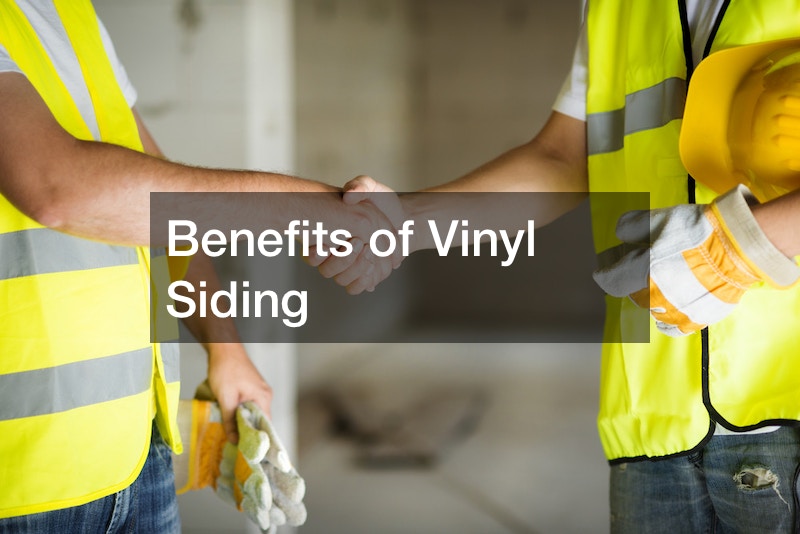
Benefits of Vinyl Siding

Insulated vinyl siding is an option for a structure’s exterior. In this video, the presenter shares four reasons why vinyl siding might be the best option for you.
As the presenter shares the four reasons you might want vinyl siding, he stresses the practicality of it. It can help lower utility bills by keeping the home at a more moderate temperature. He shares that 35 percent of the energy loss in a home is through the walls.
Along those lines, it’s common for upper rooms in houses to be uncomfortably hot in the summer, or for corners of the house to feel cold and drafty. He explains how vinyl siding can help solve the problem.
One of the other focuses of the video is to explain how insulated vinyl siding cuts down on maintenance. Many types of siding need regular repair or painting, but this isn’t the case with vinyl siding. Once it’s installed, it never needs to be painted again and is built to endure harsh conditions. The only maintenance needed is infrequent washing with mild soap and washing with water from a hose.
Insulated vinyl siding is a great option for many residences. The presenter closes by recapping the four reasons you might want to consider vinyl siding and shares how you can get more information about it, including how to contact a vinyl siding company.
.