Building a Year-Round Maintenance Budget for Every Home System

Owning a home means managing a dozen interconnected systems that all age, wear, and eventually fail on their own timelines. Without a plan, maintenance becomes a series of expensive surprises instead of predictable line items. Building a year-round budget for your home systems lets you spread costs out, avoid emergency price premiums, and catch small problems before they become major repairs.
This guide walks through the major systems in a typical home and what you should be setting aside for each one.
Plan for Heating and Cooling System Costs
Your furnace and air conditioner are two of the most expensive systems to replace, and both have predictable lifespans you can plan around. Most furnaces last 15 to 20 years with regular maintenance, but once yours starts needing frequent repairs, it is usually more cost-effective to budget for furnace replacement than to keep patching an aging unit. Setting aside a modest monthly amount specifically for HVAC costs means that when the day comes, you are not scrambling to finance a replacement during the coldest week of the year.
Routine maintenance also plays a huge role in extending the life of these systems and avoiding mid-season breakdowns. A simple annual tune-up catches worn belts, dirty coils, and failing capacitors before they turn into full system failures.
- Budget 50 to 100 dollars a year for filter changes and basic maintenance supplies
- Schedule a professional HVAC inspection each spring and fall
- Set aside 100 to 150 dollars annually toward an eventual furnace replacement fund
- Watch for rising energy bills, which often signal declining efficiency
Account for Plumbing System Upkeep
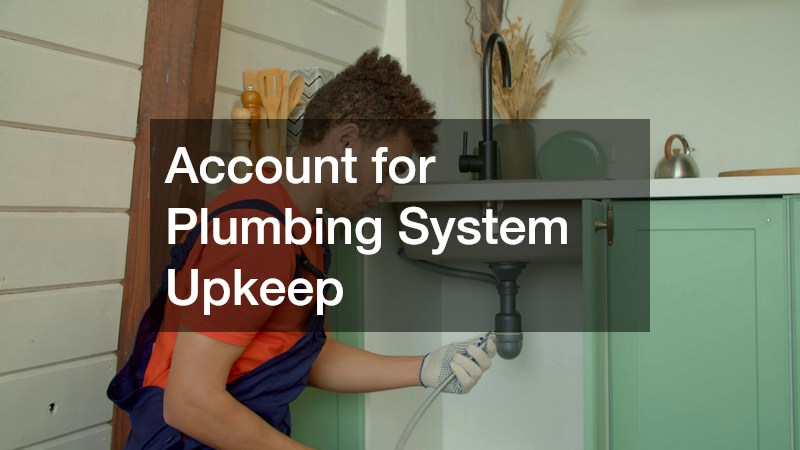
Plumbing problems rarely announce themselves until a pipe bursts or a drain backs up completely, which is why proactive budgeting matters here. Many homeowners wait until there is standing water in a sink or tub before calling for help, but scheduling periodic drain cleaning services can prevent slow clogs from turning into full blockages that damage pipes. A good rule of thumb is to set aside $150 to $300 annually for professional drain cleaning in high-use areas like kitchen sinks, showers, and main sewer lines. Beyond drain care, your budget should account for water heater maintenance, which typically runs $80 to $150 for an annual flush and inspection but can extend the unit’s lifespan by several years. Toilets, faucets, and supply lines also deserve a line item, since washers and seals degrade over time and small leaks can quietly inflate water bills before anyone notices a drip.
A reasonable plumbing maintenance budget should include both routine upkeep and a cushion for the occasional surprise, since even well-maintained systems can develop leaks from age or shifting soil. Setting aside $300 to $500 a year as an emergency plumbing reserve covers unexpected issues like a failed pressure valve or a hidden slab leak without derailing the rest of your home maintenance plan. Homes with older galvanized or cast-iron pipes should budget more generously, since those materials are more prone to corrosion and eventual replacement.
- Set aside 150 to 300 dollars annually for routine drain and pipe maintenance, including hydro-jetting or snaking for homes with older or tree-root-prone sewer lines
- Keep an emergency plumbing fund of at least 500 to 1,000 dollars, since burst pipes or sewer backups often run higher than minor leak repairs
- Inspect visible pipes under sinks, around the water heater, and near washing machine hookups twice a year for corrosion, rust stains, or moisture
- Budget 10 to 20 dollars per year for replacing worn supply line washers and P-trap seals before they fail and cause water damage
- Know the location of your main water shutoff valve before you need it, and test it annually to confirm it still turns smoothly
- Schedule a water heater flush once a year, budgeting 75 to 150 dollars, to prevent sediment buildup that shortens the unit’s lifespan
- Consider a one-time 300 to 500 dollar camera inspection of your sewer line every few years, especially in homes over 20 years old
Budget for Septic and Wastewater Systems
If your home relies on a septic system rather than municipal sewer service, maintenance costs look different and need their own line item. Aerobic treatment units require more active management than traditional septic tanks, and keeping up with routine ATU service helps prevent the kind of system failure that leads to costly repairs or even environmental fines. These systems typically need professional attention two to four times a year depending on your local regulations and household size.
Skipping scheduled service to save money in the short term almost always backfires, since a neglected system often needs a far more expensive repair or full replacement down the line. Building the cost of regular servicing into your annual budget keeps the system running smoothly and protects your property value.
- Budget 300 to 600 dollars annually for routine aerobic system servicing
- Have your tank inspected and pumped every three to five years, if applicable
- Avoid flushing grease, wipes, or chemicals that disrupt bacterial treatment
- Keep service records in case you sell the home later
Set Money Aside for Roofing Repairs and Replacement

Your roof takes the brunt of sun, wind, rain, and snow all year long, which makes it one of the more expensive systems to neglect. Getting a professional inspection once a year helps you catch loose shingles, flashing issues, or minor leaks before they spread into the attic or walls. When the time comes for a larger project, comparing quotes from a few established roofing companies ensures you are getting fair pricing and quality materials rather than the cheapest possible patch job.
For homeowners in areas prone to severe weather or fire risk, it is also worth researching more durable options when a full replacement becomes necessary. Roof metal decking has become a popular upgrade for its durability and longevity compared to traditional plywood sheathing, and while it costs more upfront, it can reduce future repair costs significantly.
- Budget 200 to 400 dollars annually toward a roof replacement fund
- Schedule a professional inspection after major storms
- Clear debris from gutters and valleys at least twice a year
- Ask contractors about warranty terms before signing any agreement
Prepare Your Home’s Exterior for Severe Weather
Protecting the outside of your home is just as important as maintaining the systems inside it, especially if you live somewhere prone to high winds or coastal storms. Installing hurricane shutters is one of the more effective investments a homeowner can make, since they protect windows from flying debris and can reduce insurance premiums in storm-prone regions. Depending on the material and style, expect to budget anywhere from $15 to $40 per square foot for accordion or roll-down shutters, while simpler storm panels can cost significantly less but require more labor to install before each storm. Beyond shutters, a well-rounded exterior budget should account for roof inspections, gutter reinforcement, and sealing gaps around doors and windows where wind-driven rain tends to find its way in. Trimming trees and securing or removing loose yard items like fencing, sheds, and outdoor furniture can prevent costly damage during high winds, and these tasks are often overlooked until a storm is already on the horizon.
Setting aside even a few hundred dollars annually for these smaller preventive measures can save thousands in repair costs later. Budgeting for this kind of protective upgrade should be treated as part of your long-term home maintenance plan rather than an afterthought purchased in a panic before a storm. Many homeowners find it useful to phase in exterior protection over two or three years, starting with the most vulnerable windows and working outward, so the cost doesn’t hit all at once. Checking with your insurance provider beforehand is also worthwhile, since some storm-hardening upgrades can qualify for rebates or premium discounts that offset the initial investment.
Beyond storm protection, exterior maintenance includes siding, caulking, and drainage grading around the foundation. Set aside about $300 to $500 a year for this category, covering caulk tubes, touch-up paint, a few replacement shingles or siding panels, and the occasional handyman visit for repairs you can’t tackle yourself. Small gaps and cracks let in moisture that can cause much larger problems over time, so an annual walk-around inspection is worth the hour it takes. Check caulking around windows, doors, and where siding meets trim, since gaps wider than 1/8 inch should be re-sealed before they let water behind the wall assembly.
Grading matters just as much as sealing. The ground should slope away from your foundation at roughly 6 inches of drop over the first 10 feet; if water pools near the house after rain, budget for a load of fill dirt or a French drain installation, which can run anywhere from $200 for a simple fix to $3,000 or more for a full perimeter drain system. Don’t forget gutters and downspouts in this inspection. Clogged or misaligned gutters send water straight down your foundation walls instead of away from them, so cleaning them twice a year and extending downspouts at least 4 to 6 feet from the house is a cheap way to avoid expensive drainage repairs later.
- Budget 500 to 1,500 dollars for quality storm shutters depending on home size, with accordion and roll-down styles costing more than basic panel shutters
- Reseal exterior caulking and weatherstripping every one to two years, focusing on window frames, door edges, and siding joints where leaks start
- Check that downspouts direct water at least five feet from the foundation, adding splash blocks or extensions if grading slopes toward the house
- Clean gutters at least twice a year, in spring and fall, to prevent overflow during heavy storms
- Trim trees and branches that could fall on the roof or siding during storms, removing any limbs hanging within ten feet of the structure
- Inspect roof shingles and flashing annually for loose or damaged spots that high winds could worsen
- Set aside 200 to 400 dollars a year for minor exterior repairs discovered during seasonal inspections
Address Foundation Settling and Uneven Concrete

Foundations shift gradually over time, and most homeowners do not notice until they see cracks in walls, sticking doors, or uneven floors. Rather than waiting for a full foundation repair, many homeowners now turn to mudjacking companies to lift and stabilize sunken concrete slabs, driveways, and walkways at a fraction of the cost of full replacement. This process involves injecting a stabilizing material beneath the slab to raise it back to level, and it typically takes just a day to complete.
Including a small annual allowance for foundation and concrete monitoring means you can act quickly when you notice early warning signs. Catching settling issues early almost always costs less than waiting until the problem affects your home’s structural integrity.
- Set aside 100 to 200 dollars annually for foundation monitoring and minor repairs
- Watch for new cracks wider than a quarter inch
- Check that exterior doors and windows still open and close smoothly
- Address drainage issues promptly, since water is the leading cause of foundation movement
Plan for Renovation and Structural Projects
Not every home expense fits neatly into routine maintenance, and larger projects deserve their own planning category. If you are expanding your home or starting fresh on a piece of land, working with an experienced custom home builder can help you avoid costly design mistakes and ensure the project meets local building codes from the start. These projects often take months longer than expected, so building extra time and a financial cushion into your plan protects you from budget overruns.
Before any major addition or renovation begins, you may also need to remove existing structures safely. Hiring licensed demolition contractors ensures that old decks, garages, or interior walls are taken down properly and that debris is disposed of according to local regulations, rather than left as a hazard on your property.
- Set aside a contingency fund of 10 to 20 percent above your estimated project cost
- Get at least three quotes before committing to any major structural work
- Confirm permits and inspections are included in your contractor’s timeline
- Ask about debris removal and site cleanup costs upfront
Manage Routine Waste and Debris Removal
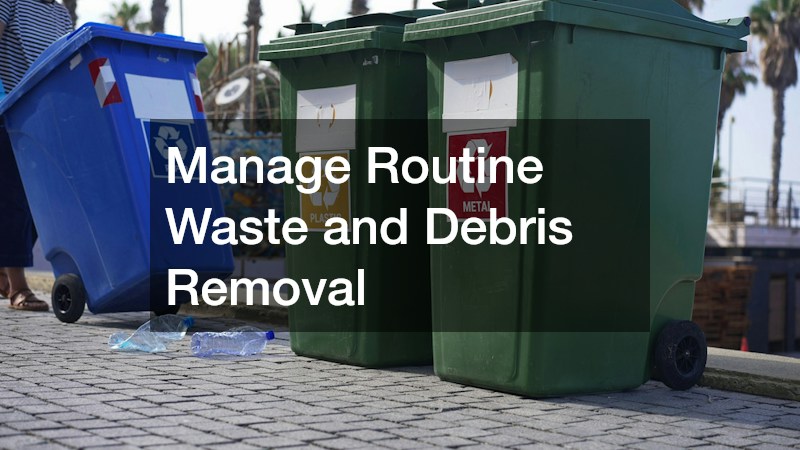
Everyday home upkeep also includes the less glamorous costs of waste management, which many homeowners forget to budget for until a bill arrives. Regular garbage collection fees are a fixed monthly cost in most areas, but larger cleanouts, yard waste, or renovation debris often require separate arrangements and additional fees. Factoring these costs into your annual plan prevents them from catching you off guard during spring cleaning or a home improvement project.
Staying on top of waste removal also protects other systems in your home, since piled debris near the foundation or gutters can trap moisture and attract pests. A little planning here goes a long way toward keeping your property both tidy and structurally sound.
- Budget for seasonal bulk pickup or dumpster rental during big cleanouts
- Separate recyclables and hazardous materials according to local guidelines
- Schedule yard waste removal after major storms or seasonal trimming
- Ask your provider about special pickup rates for large furniture or appliances
Conclusion
A year-round maintenance budget turns unpredictable home expenses into manageable, planned costs you can actually prepare for. Start by listing every major system in your home, estimating its remaining lifespan, and setting aside a realistic monthly amount for each one. Revisit your budget annually as systems age and priorities shift, and you will find yourself reacting to far fewer emergencies. The sooner you start, the more financial breathing room you will have when something inevitably needs attention.