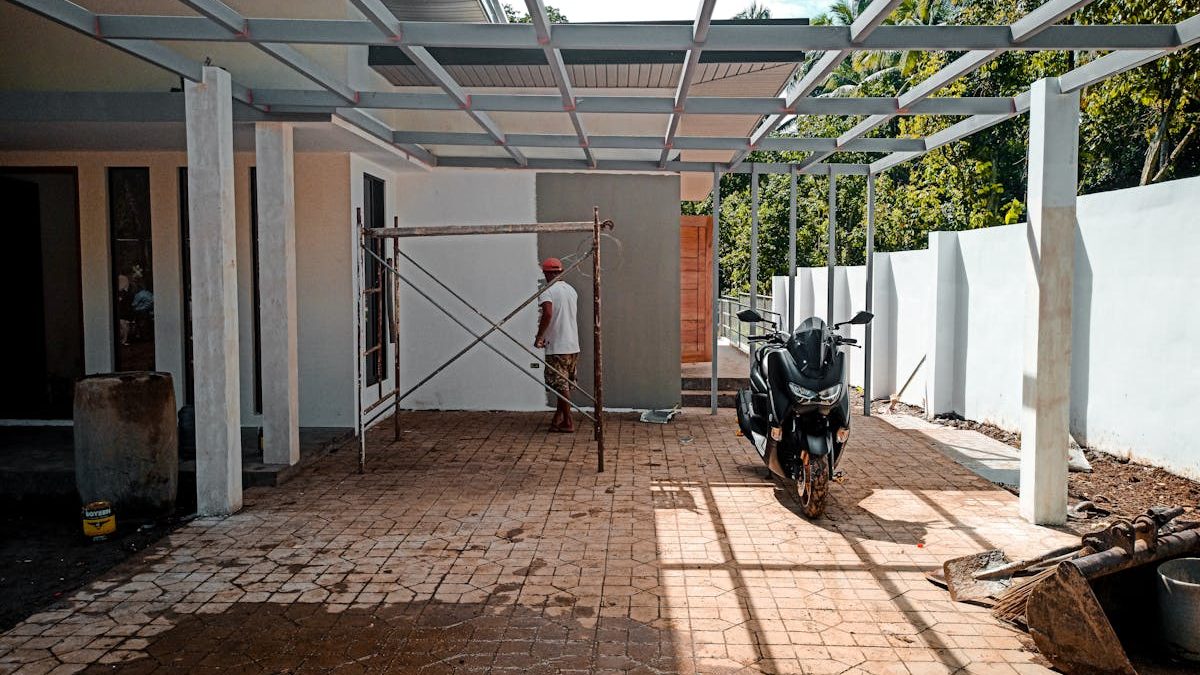
The Pros and Cons of Concrete Home Construction You Should Know

- Concrete homes offer exceptional durability, resisting fire, pests, moisture, and extreme weather conditions.
- Thermal mass improves energy efficiency, potentially lowering long-term heating and cooling costs.
- Upfront construction costs are typically higher than traditional wood framing.
- Design changes after pouring concrete can be difficult and expensive.
- Concrete homes require specialized contractors and careful planning.
- Long-term savings and reduced maintenance may offset the initial investment.
Choosing the right building method is one of the most important decisions you’ll make when planning a house. Concrete homes have grown in popularity due to their durability, energy efficiency, and modern appeal. However, they also come with specific challenges that homeowners should carefully evaluate. Understanding both sides helps you make a smart investment that aligns with your long-term goals.
Whether you are building your forever home or exploring options during the new home construction process, it is essential to weigh the benefits and drawbacks. Concrete construction is not a one-size-fits-all solution. By examining the advantages and disadvantages in detail, you can decide if it fits your lifestyle, budget, and climate conditions.
What Are the Advantages of Concrete Home Construction?
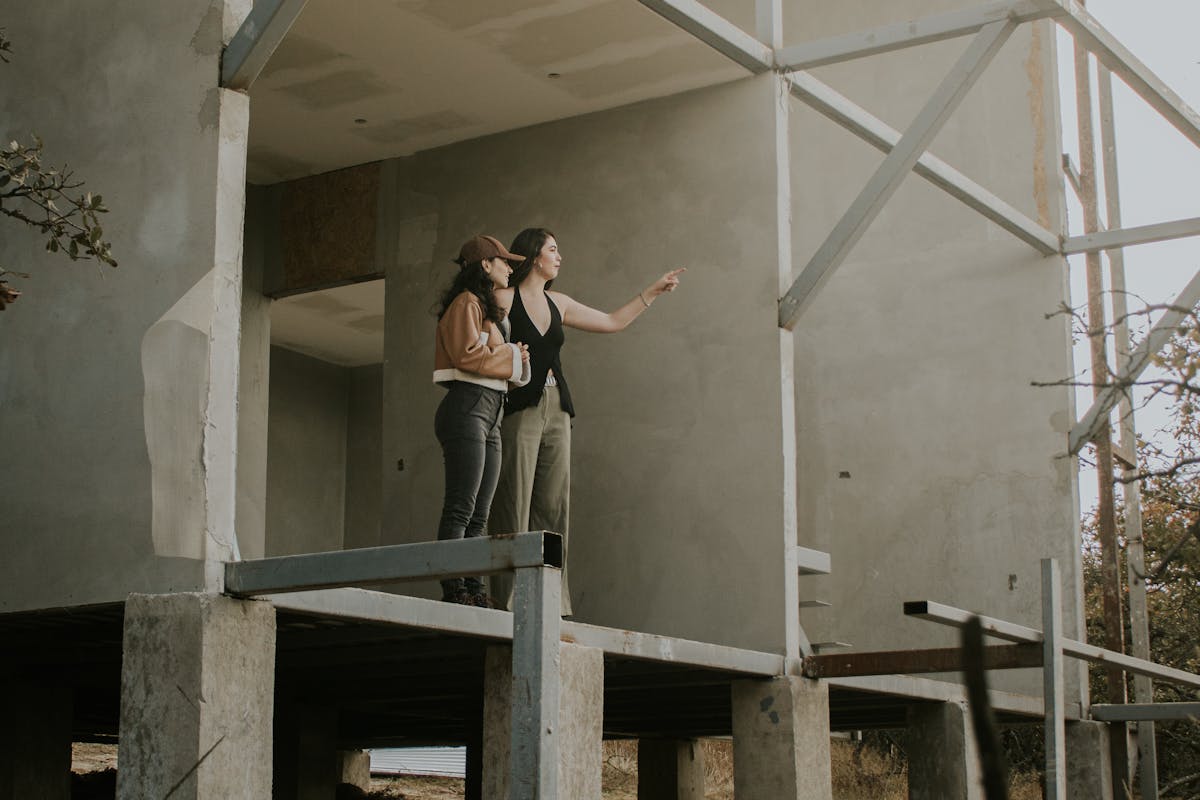
Concrete home construction offers a strong foundation—literally and financially—for many homeowners. Its structural integrity and long lifespan make it appealing to those who prioritize safety and durability. In areas prone to extreme weather, concrete homes can provide additional peace of mind. Beyond strength, concrete also supports energy efficiency and low-maintenance living.
Because concrete is dense and solid, it performs differently from traditional wood framing. That difference can translate into cost savings and improved comfort over time. Here are the key advantages to consider:
1. Exceptional Durability
Concrete homes are highly resistant to:
- Hurricanes and strong winds
- Fire damage
- Rot and moisture issues
- Termites and pests
Unlike wood, concrete does not warp or decay over time. This makes it especially attractive in humid or storm-prone regions.
2. Improved Energy Efficiency
Concrete walls have thermal mass, meaning they absorb and slowly release heat. This helps regulate indoor temperatures and reduce energy consumption. Over time, homeowners may see lower heating and cooling bills.
Energy-efficient performance can also increase resale value. Buyers often appreciate homes designed to minimize utility costs.
3. Lower Maintenance Requirements
Concrete structures generally require fewer repairs compared to wood-framed homes. There is no need to worry about termite treatments or frequent siding replacements. Exterior finishes may last longer, reducing long-term upkeep expenses.
4. Noise Reduction
The density of concrete naturally reduces sound transmission. This creates a quieter indoor environment, especially in busy neighborhoods. For families or remote workers, this can be a significant lifestyle benefit.
What Are the Drawbacks of Concrete Home Construction?
While concrete homes offer impressive advantages, they are not without limitations. Higher upfront costs and specialized labor requirements can make them less accessible for some buyers. The construction timeline may also differ from traditional builds, depending on design complexity. It is important to evaluate these factors before committing.
Understanding the challenges allows you to prepare financially and logistically. A well-informed homeowner is less likely to encounter unexpected frustrations during construction.
1. Higher Initial Costs
Concrete materials and skilled labor often cost more than traditional wood framing. The need for specialized forms or insulated concrete systems can increase expenses. Although long-term savings may offset these costs, the initial investment can be substantial.
Financing considerations should be addressed early in the planning stage. Not all lenders approach concrete builds the same way.
2. Limited Design Flexibility
Making structural changes after concrete is poured can be difficult and expensive. Unlike wood framing, which allows easier modifications, concrete requires precise planning from the beginning. Mistakes or last-minute design changes may result in costly adjustments.
Working closely with architects and contractors is essential. Careful planning ensures your design meets both aesthetic and structural goals.
3. Longer Construction Time
Certain concrete systems require curing periods that extend the build timeline. Weather conditions can also affect the pouring and setting process. This may lengthen the overall new home construction process compared to traditional framing.
Homeowners on tight deadlines should factor in potential delays. Proper scheduling and experienced contractors can help minimize setbacks.
4. Specialized Contractors Needed
Not every builder has experience with concrete residential structures. Hiring professionals with expertise in concrete home construction is critical for quality and safety. Limited contractor availability in some regions can also affect project timelines and pricing.
Concrete Home Construction: Is It Worth the Investment?

Deciding whether concrete home construction is worth the investment depends on your priorities. If long-term durability, safety, and energy efficiency rank high on your list, concrete may offer strong value. However, if budget constraints or design flexibility are top concerns, traditional building methods might better suit your needs.
Consider these key questions:
- Do you live in an area prone to extreme weather?
- Are you planning to stay in the home long term?
- Can you accommodate higher upfront costs?
- Do you value energy efficiency and low maintenance?
Answering these questions honestly will clarify whether the benefits outweigh the drawbacks. Every homeowner’s situation is different, and the right choice balances practicality with personal goals.
Final Thoughts: Making an Informed Decision
Concrete homes provide durability, energy efficiency, and enhanced safety, making them attractive for modern homeowners. At the same time, higher initial costs and specialized construction requirements demand careful planning. Weighing both the pros and cons ensures you avoid surprises during the building journey.
Before moving forward, consult experienced contractors, review local building codes, and evaluate your long-term plans. A well-researched decision will give you confidence and peace of mind as you build a home designed to last for generations.