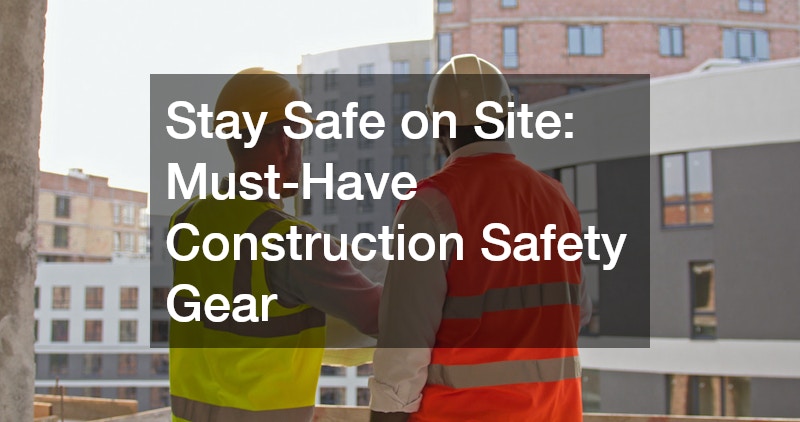
Stay Safe on Site Must-Have Construction Safety Gear

Construction sites are high-risk environments with heavy machinery, elevated structures, and hazardous materials. Safety is paramount, as even minor lapses can lead to serious injuries or fatalities. Proper construction safety equipment reduces risk and fosters a culture of accountability and professionalism. From head-to-toe protection to specialized respiratory equipment, the right gear empowers workers to perform tasks confidently and efficiently.
What is the Essential Construction Safety Gear?
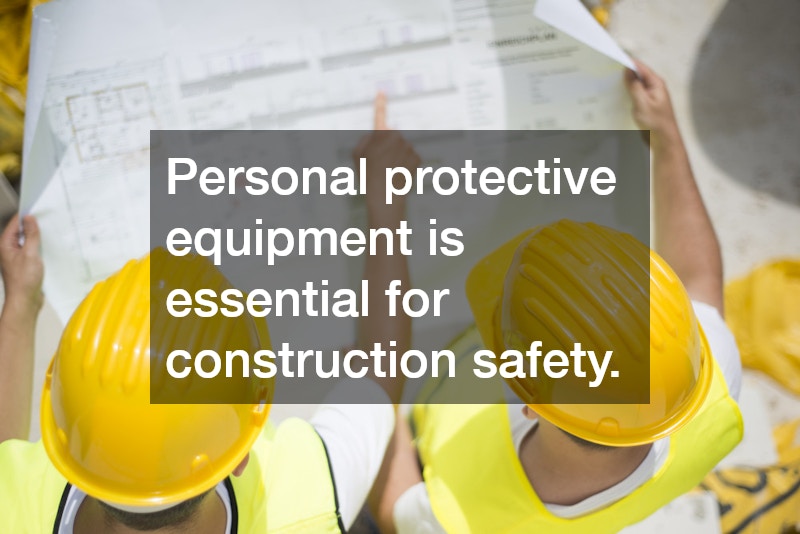
Personal protective equipment, or PPE, is essential for construction safety. Helmets protect workers from falling objects and head injuries.
Gloves guard hands from cuts and chemical exposure, while high-visibility clothing makes workers easily visible, particularly in low-light conditions. Protective footwear shields feet from heavy materials, and slip-resistant soles reduce fall risks. Eye and face protection, like safety goggles, guard against debris and sparks. These PPE elements are the first line of defense against construction hazards and incidents.
Falls are a leading cause of injury and fatalities in construction. Fall protection systems are crucial for those working at heights. Safety harnesses and lanyards secure workers to anchor points, preventing dangerous falls. Guardrails and nets provide barriers, while fall arrest systems stop a worker’s fall, reducing injury severity. Proper implementation of these systems is often legally required and key in protecting workers.
Construction environments often have airborne hazards, making respiratory protection essential. Disposable masks protect against dust, while respirators offer advanced protection against fumes. Powered air-purifying respirators supply clean air in high-risk areas. Respiratory equipment choice depends on site-specific hazards, ensuring regulatory compliance and protecting workers’ health.
How to Choose the Right Safety Gear for Construction
Each construction site carries unique risks, so conducting a thorough hazard assessment is the first step in selecting appropriate construction safety equipment. Identifying potential dangers, including falling debris, chemical exposure, heavy machinery operation, and confined or elevated work areas, allows employers to match protective equipment to the specific risks present. This ensures that workers are properly equipped to handle every aspect of their job safely.
Even the most advanced safety equipment is ineffective if it does not fit properly. Correct sizing and comfort are essential for both PPE and fall protection systems. Ill-fitting helmets can shift during impact, reducing their protective capacity, while poorly adjusted harnesses may fail to arrest falls properly. Gloves that are too tight or too loose can limit dexterity and increase the risk of accidents. Ensuring that all construction safety equipment fits correctly encourages consistent use, enhances safety, and allows workers to perform tasks efficiently without restriction.
Safety equipment must meet established standards and certifications to guarantee performance. Helmets, gloves, respirators, and other gear should comply with OSHA regulations, ANSI standards, or NIOSH approvals. Certified equipment undergoes rigorous testing to confirm durability, protective capacity, and reliability, providing peace of mind for both employers and workers. Selecting gear that meets these standards is essential to comply with legal requirements and maintain a safe work environment.
Where to Purchase Reliable Construction Safety Gear
Purchasing safety equipment from reputable sources is crucial to ensure quality and compliance. Well-known brands such as 3M, Honeywell, MSA Safety, and DuPont are widely recognized for producing reliable construction safety gear. Authorized retailers and industrial supply stores provide verified products with manufacturer warranties, guaranteeing that the equipment will perform as expected in demanding work environments.
Both online and offline purchasing options offer benefits. Online platforms provide convenience, a wide selection of products, and competitive pricing, with customer reviews offering insight into product performance. Offline purchases allow workers to try on gear for proper fit and comfort, inspect materials firsthand, and receive immediate expert guidance. Often, a combination of researching products online while testing critical gear in-store produces the best results.
Many safety equipment suppliers offer special promotions, bulk discounts, or trade deals for contractors and construction companies. Buying in bulk ensures that all workers have access to quality safety gear while reducing overall costs. Checking manufacturer websites or attending industry trade shows can also reveal limited-time offers or additional perks, making it easier to equip teams with reliable protective equipment without exceeding the budget.
Ensuring safety on construction sites is a regulatory requirement and a moral obligation. Providing appropriate safety gear, like PPE, fall protection, and respiratory equipment, significantly reduces accident risks. Proper hazard assessment, sizing, and certification are crucial in choosing effective safety equipment. Sourcing gear from trusted retailers and balancing online and offline purchases can streamline procurement while maintaining quality. Supplying the right protective tools fosters a safer environment, promotes responsibility, and ensures construction tasks are completed efficiently. Regular safety protocol reviews, equipment inspections, and ongoing training further enhance safety and peace of mind on construction sites.