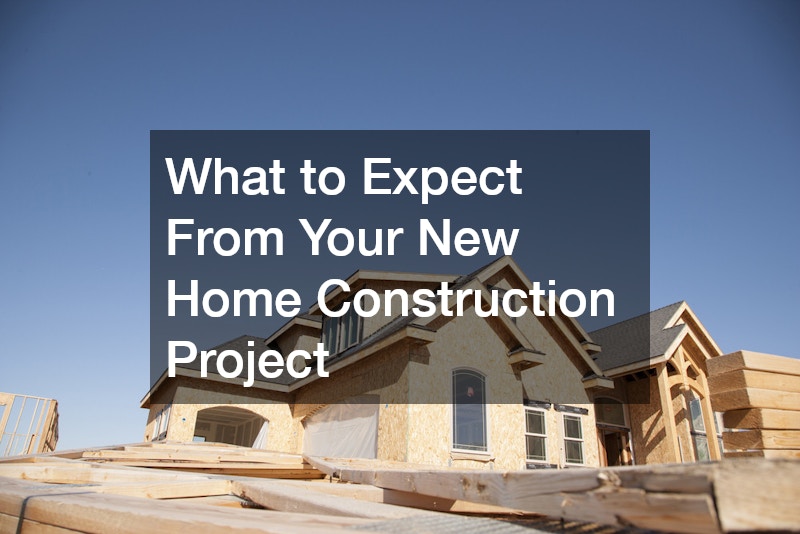
What to Expect From Your New Home Construction Project

Building a new home is a major milestone that blends excitement, creativity, and long-term planning. Whether you’ve imagined designing your own floor plan for years or recently realized it was the right time to invest in a fresh start, new home construction introduces endless possibilities. However, this process also brings complexity, requiring careful budgeting, decision-making, scheduling, and communication. Unlike buying a resale home, where most details are already complete, new construction invites you into every layer—from site preparation to interior finishes. Because every home is built from the ground up, clarity and patience are vital. Knowing what to expect ahead of time ensures that each phase of construction feels less overwhelming and more meaningful.
Many first-time home builders are surprised by how many people are involved, how long each stage takes, and how many questions they will face. From choosing flooring and paint colors to deciding the placement of plumbing lines and electrical outlets, the process includes hundreds of choices. You’ll work closely with experts such as the custom home builder overseeing the project, the excavating company preparing the land, the crane service supporting structural needs, and the painting company bringing your interior design to life. By understanding how these roles connect and what each construction stage requires, you’ll be better prepared for a smooth, successful experience that leads to the home you’ve envisioned.
Planning And Visualization

Before any construction begins, you’ll enter a planning phase that focuses on defining your vision and preparing foundational decisions that shape the entire project. During this stage, it’s helpful to imagine how you want the home to feel, how you plan to use each space, and what style best fits your personality and lifestyle. Some homeowners prefer a cozy, traditional layout with separate rooms and defined areas. Others prefer a modern, open floor plan with seamless indoor-outdoor flow. Gathering inspiration from photographs, model homes, and architectural websites allows you to identify patterns in your preferences—patterns that will guide conversations with your design team.
Planning is about more than aesthetics. It also involves discussions around function, efficiency, and durability. For instance, if energy performance is a priority, you might explore roofing options such as a wind vented roof, which supports improved airflow and weather resistance. If outdoor living is important, consider how patios, decks, or gardens will connect to interior living areas. The goal at this stage is to confirm that your ideas are realistic and align with your intended investment. Once you are confident in your priorities, you can move forward into detailed design and budgeting with greater direction.
Budgeting And Financial Preparation
After your vision begins taking shape, it is time to focus on budget planning. Construction budgets are multifaceted, covering materials, labor, permits, land preparation, utility connections, and professional services. Many homeowners initially underestimate the number of elements involved, especially when financial expectations are based on base prices advertised by builders. In reality, custom details, upgraded finishes, and site-related conditions can expand expenses.
Because budget management plays a major role in long-term satisfaction, it’s important to discuss cost expectations early and thoroughly. You may need to allocate funds for tasks such as hiring an excavating company to level the land or partnering with a well drilling service if your property relies on a private water source. Weather, soil consistency, terrain, and local zoning requirements can all affect final pricing. Smart financial planning also includes a buffer fund to handle unexpected changes, like material shipment delays or necessary structural adjustments.
Financing for new construction differs from traditional mortgages because lenders typically release funds in stages. Each stage corresponds with a milestone, such as the completion of framing or foundation work. Understanding this payment timeline gives you clearer expectations and reduces stress once construction begins.
Selecting Your Builder And Project Team
Once your plans and budget are in motion, the next major decision involves selecting a custom home builder to oversee the entire construction journey. This professional becomes your primary guide. They coordinate subcontractors, monitor progress, maintain schedules, and resolve unexpected challenges. Because their influence is so significant, finding someone reliable, communicative, and experienced is essential.
As you interview candidates, explore examples of completed projects and verify that their craftsmanship and style align with your goals. Ask how they manage timelines, enforce quality control, and approach customer communication. This relationship should feel collaborative, open, and trustworthy. Your builder will also introduce you to skilled specialists who will contribute to your home. This might include a crane service to maneuver large building materials, a concrete team to pour foundations and driveways, or even a painting company that handles interior and exterior finishes.
Working closely with your builder ensures that design and functionality stay consistent throughout the project. If you want unique features like granite counter installation, specialty roofing, or custom lighting layouts, your builder will help coordinate materials, installation timing, and quality standards. Once your team is structured, construction planning gains momentum.
Preparing The Construction Site
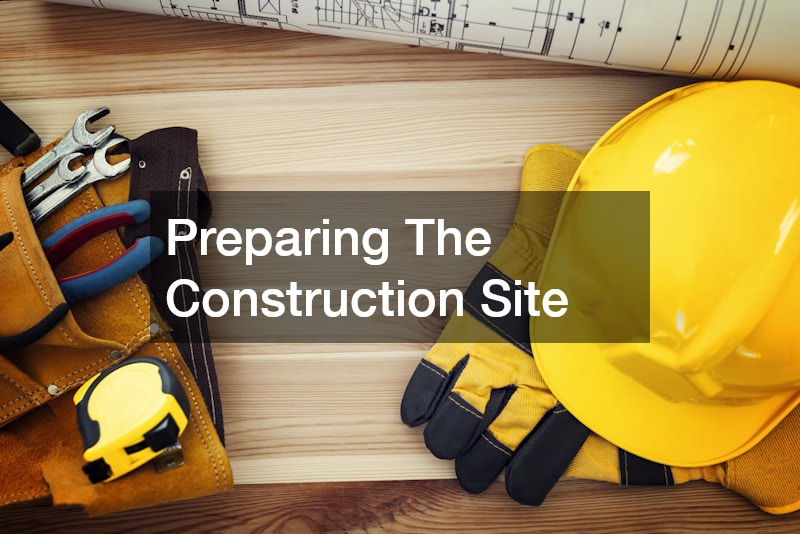
Before the home itself can rise, the land must be properly prepared and cleared. Site preparation includes tree and brush removal, soil grading, trenching, and establishing access points for vehicles and equipment. In certain scenarios, professional tree service may be needed to remove roots or branches that interfere with the foundation area. Even seemingly small vegetation issues can affect drainage or structural stability over time, so clearing the site thoroughly is essential.
After clearing is complete, land shaping begins. An excavating company will dig the foundation footprint and create trenches for underground utilities. This stage forms the base of every structural component that follows. Temporary access points may be created to accommodate machinery such as cranes, concrete trucks, plumbing crews, and delivery vehicles. Depending on the site’s soil composition and elevation, land preparation can take several days or several weeks.
During this time, the weather plays an important role. Excessive rain or snow can slow excavation and delay trench completion. However, these delays are normal and are accounted for in most construction schedules. Once the land is level, stable, and ready, foundation installation begins.
Foundation And Framing Progress
Foundation work begins with careful structural planning and concrete placement. Concrete services support key tasks such as pouring slabs, shaping basement walls, building crawlspaces, and reinforcing support areas. Because the foundation must endure decades of load and movement, builders pay close attention to curing time, moisture exposure, material strength, and reinforcement equipment. Curing may take days or weeks, depending on weather and design specifications, which is why the foundation stage can feel slower than others.
When the foundation is complete, framing begins. This is the moment when your home’s shape becomes visible. Walls rise, roof trusses are set, and floors take form. It’s common for crews to use crane service to position large framing materials or heavy beams into place, especially in multi-level homes. As the frame grows, the exterior shell begins to take shape and the roof is installed to protect the interior from the weather.
At this stage, you may walk through the structure and envision how rooms will feel once complete. Minor layout adjustments often surface during framing. You may decide to expand a closet, reposition windows, or adjust doorways. Once framing and roof installation are complete, progress accelerates.
Mechanical Installations And Infrastructure
With the structure in place, the project moves into mechanical installation. Plumbing lines, electrical wiring, and HVAC systems are routed throughout walls and ceilings. Because these systems must fit together without conflict, electricians, plumbers, and HVAC specialists work in close coordination. You may also explore insulation options at this stage to enhance temperature control and energy efficiency.
Mechanical installation is one of the most inspection-heavy phases. Government inspectors and private professionals verify that systems meet safety and quality standards. Homeowners should use this time to consider how they plan to use each space. The placement of electrical switches, lighting fixtures, outlets, and appliance connections can influence daily convenience.
If your home relies on private water rather than municipal service, this is the stage when a well drilling service performs installation. Water capacity and flow testing help ensure sufficient supply for household needs. Once utilities are fully installed and approved, insulation is added and mechanical components are sealed behind drywall.
Interior And Exterior Finishes

Interior and exterior finishing bring character and comfort to the home. Drywall installation marks the start of interior transformation. After taping and texturing, the painting company applies color to walls and ceilings. Choosing paint shades is a major milestone because color influences mood, brightness, and overall atmosphere. Flooring follows, including hardwood, carpet, tile, or laminate. Interior trim, doors, cabinetry, and handrails are installed, along with plumbing fixtures and lighting.
Kitchen and bathroom upgrades become visible during this stage, especially when granite counter installation takes place. Counters are measured, cut, polished, and secured in place before appliances and plumbing fixtures are installed. Throughout the interior, builders focus on precision and craftsmanship, correcting imperfections and adjusting alignments for smooth finishes.
On the exterior, siding, brick, or stone cladding is completed. Driveways and walkways may be poured, sometimes with support from specialized concrete services. Landscaping begins once exterior surfaces are fully installed, and outdoor lighting enhances curb appeal. As the home nears completion, debris removal ensures a cleaner and safer environment.
Jobsite Organization And Waste Management
The final months of construction involve ongoing cleanup, tool organization, debris removal, and surface protection. Work areas generate packaging materials, wood scraps, metal pieces, and damaged supplies. To keep the site safe and manageable, most teams coordinate with a dumpster rental company that provides roll-off containers for waste removal. By emptying dumpsters regularly, crews maintain a productive space and reduce safety hazards.
A clean jobsite also protects materials such as flooring, cabinets, wiring, and paint from unnecessary damage. With workers moving in and out regularly, organization becomes increasingly important. Proper cleanup prevents delays and helps ensure that finishing work progresses smoothly.
During this stage, you may visit the site frequently to review progress. The builder may guide you through areas that are ready for walkthrough and keep others restricted until installations are secure. Once most materials are in place, dust and clutter begin to clear, and the home becomes easier to visualize in its finished form.
Final Walkthrough, Move-In, And Warranty

As construction wraps up, your builder will schedule a final walkthrough. During this meeting, you will carefully review every room to confirm that the home meets expectations. This includes checking paint surfaces, testing electrical switches, confirming appliance operation, examining flooring, and evaluating fixture stability. If you find imperfections, the builder creates a punch list to address repairs before move-in.
This stage is also when you receive warranties, manuals, and maintenance instructions. These documents help you understand how to care for systems such as HVAC equipment, plumbing components, and electrical panels. Some homeowners also schedule follow-up inspections for roofing, siding, or insulation to monitor long-term performance.
If your property requires outdoor upkeep, you may continue working with tree service providers or landscapers. Over time, you may add outdoor spaces or concrete patios for expanded living. Once the punch list is complete and the certificate of occupancy is issued, your home becomes ready for move-in.
A new home construction project represents months of anticipation, planning, adjustments, creativity, and collaboration. It begins with inspiration and evolves into detailed planning that shapes decisions around architecture, style, and functionality. It continues with budget preparation that ensures financial clarity, contractor selection that establishes trust, and land preparation that opens the door to physical progress. From foundation work to framing, mechanical installation, and interior finishing, each phase contributes structure and meaning to the finished product. Along the way, you will work with skilled professionals, including a custom home builder, a crane service team, a painting company, and a granite counter installation crew. You may also partner with an excavating company, a dumpster rental company, a well drilling service, and other specialists who help shape the home into a complete living environment.
Even though the process can feel long at times, especially during slow or weather-affected stages, every milestone brings you closer to seeing your design come to life. By the time you walk through your finished home for the very first time, the noise, dust, decisions, and deadlines fade away. What remains is a space built just for you—one that reflects your values, supports your lifestyle, and offers comfort and safety for years to come. If you remain patient, informed, and engaged from beginning to end, your new home construction experience will be rewarding, educational, and deeply fulfilling.