10 Common Mistakes To Avoid When Building Custom Homes

Building a custom home is an exciting journey, but it can also be overwhelming if you’re not prepared. From planning the layout to selecting materials, there are countless decisions to make, and even small mistakes can become costly or time-consuming. Understanding the common pitfalls and how to avoid them can save you stress, money, and delays. In this guide, we’ll explore the ten most frequent mistakes homeowners make when building custom homes, providing actionable tips for a smoother process.

1. Failing to Research Your Custom Home Builder
Choosing the right custom home builder is one of the most important decisions you’ll make. Many homeowners make the mistake of selecting the first builder they meet or choosing solely based on cost, assuming that all builders operate the same. This approach can lead to serious issues such as missed deadlines, poor craftsmanship, and budget overruns. To avoid this, take the time to thoroughly research potential builders. Look at portfolios, read client testimonials, and verify licensing and insurance. Visiting completed homes gives you firsthand insight into their work quality, attention to detail, and overall professionalism. It’s also helpful to meet previous clients in person or speak to them directly to learn about their experience with the builder, including how they handled changes, challenges, and communication throughout the project.
Additionally, communication skills are a major factor in selecting a builder. A builder who is responsive, transparent, and proactive in addressing concerns can make the home-building experience far less stressful. Ask questions about project management, material sourcing, and subcontractor relationships. Discuss potential challenges and observe how the builder handles your inquiries. A thorough vetting process not only ensures that your home is built correctly but also builds trust and confidence. You should also clarify timelines, payment schedules, and dispute resolution processes in writing to avoid surprises. By carefully researching and selecting a skilled custom home builder, you lay the foundation for a smoother construction process and a finished home that matches your vision, while reducing the risk of costly mistakes and delays.
2. Overlooking Site Preparation and Tree Installation
Site preparation is often underestimated in the home-building process, yet it is a critical component for ensuring the long-term stability and integrity of your property. This part of the construction process involves important decisions and actions that can have lasting effects on the structure and safety of your home. If key aspects such as proper grading, drainage solutions, and taking soil conditions into account are ignored or poorly executed, it could lead to significant problems down the road. For instance, improper grading can result in uneven ground levels, which may cause foundation shifting or cracks. Similarly, neglecting drainage issues might lead to water accumulation, increasing the risk of waterlogged areas that promote erosion and can weaken the home’s foundation over time. One crucial but commonly overlooked aspect of site preparation is tree installation. Many homeowners, in their eagerness to enhance the natural beauty of their property, plant trees too close to their homes without fully considering the potential consequences of such choices. Trees grow and expand both above and below ground; therefore, failing to consider potential future growth, the development of extensive root systems, and the impact on sunlight penetration and home ventilation can lead to complications. Large, mature trees situated too near the foundation can exert pressure on underground pipes or cause soil movement, resulting in structural challenges. Engaging with a professional arborist to assess the property can provide invaluable advice on the suitable species for your area, and guide you on strategic placement of trees to prevent these costly mistakes and support a thriving landscape.
Proper site preparation involves careful coordination with your builder to ensure that every aspect of the environment is evaluated and ready for construction. This includes making informed choices about clearing the land efficiently, grading it appropriately, and ensuring that the site is ready for the new structure. Thoughtful consideration of how landscaping elements, such as retaining walls and slope adjustments, will influence water drainage and outdoor usability is paramount. Improper landscape planning can exacerbate water-related issues; therefore, integrating tree placement into your overall landscape plan not only enhances the visual appeal of your home, but it also plays a crucial role in protecting the structural integrity of the building. Planning ahead for tree installation and comprehensive site grading helps reduce maintenance burdens and preemptively addresses problems that could damage your home’s foundation. By doing this, you create a harmonious outdoor environment that is both functional and aesthetically pleasing, ensuring that your yard will be a source of enjoyment and comfort for years to come.
3. Ignoring Pest Control Measures
Pests can pose a serious threat to your new home if preventative measures are not taken early. Many homeowners skip an initial consultation with an exterminator, assuming that pests will only become an issue after moving in. Termites, rodents, and other infestations can compromise structural integrity, damage wiring or plumbing, and create health hazards. Early intervention is key. A professional exterminator can evaluate the site before construction, identify potential risk areas, and implement preventative treatments such as termite-resistant materials or soil treatments.
During construction, ensure that your home remains sealed against pest entry. Subcontractors should take care to close wall openings and install barriers where necessary. Regular inspections during the build can catch early signs of infestations before they cause damage. After construction, maintain ongoing pest control measures, such as scheduled inspections and treatments, to keep your home safe and secure. Taking pest prevention seriously from the start safeguards your investment and provides peace of mind for you and your family.

4. Choosing Flooring Without Planning for Durability
Flooring is one of the most noticeable aspects of your home and can greatly affect comfort and functionality. A common mistake is hiring the wrong flooring service or selecting materials based on looks alone. Homeowners often overlook factors such as foot traffic, moisture levels, and maintenance requirements. For example, hardwood floors may warp in high-humidity areas, while carpet may stain easily in kitchens or entryways. Working with a professional flooring service ensures you choose materials suited to each room’s function and longevity.
Beyond material selection, proper installation is critical. Flooring issues such as uneven surfaces, gaps, or improper sealing can lead to costly repairs and reduced durability. Ensure your flooring team follows best practices, including moisture testing, subfloor preparation, and precise installation techniques. Additionally, consider warranties and maintenance guidance offered by the service. With careful planning and professional installation, your floors will remain attractive, durable, and low-maintenance for years, enhancing the overall value and comfort of your custom home.
5. Neglecting Proper Plumbing Service Coordination
A functional plumbing system is essential, yet many homeowners underestimate the importance of a skilled plumbing service. Poorly planned plumbing layouts can lead to water pressure issues, leaks, or code violations. To avoid these problems, involve your plumbing service early in the planning process. Map out locations for bathrooms, kitchens, laundry areas, and outdoor water features. This ensures efficient pipe routing, optimal water flow, and easier access for future maintenance.
Coordination between the builder and plumbing service is crucial. Schedule regular inspections at critical stages of construction to verify that pipes are properly installed, sealed, and tested. Addressing potential issues before walls and floors are completed prevents costly retrofits later. Additionally, using quality materials and experienced plumbers reduces the risk of future failures. Proper planning and execution of your plumbing system ensure your home functions efficiently, avoids unnecessary repairs, and supports long-term comfort.
6. Skimping on Custom Shower Door Selection
Bathrooms are high-use spaces, and a poorly chosen shower can compromise both aesthetics and practicality. Many homeowners overlook the importance of a custom shower door, opting for generic options that may not fit the space correctly. Ill-fitting doors can lead to leaks, water damage, and mold growth. A custom solution ensures precise measurements, a secure fit, and materials that withstand daily use. Materials like tempered glass, anti-fog coatings, and durable hardware enhance safety and ease of maintenance.
A professional installer can also suggest design options that complement your bathroom layout and overall home style. Features like frameless doors, sliding panels, or special finishes add both functionality and visual appeal. Proper installation is critical to prevent water from escaping the shower area, reducing the risk of damage to flooring and walls. Investing in a high-quality custom shower door enhances your daily experience, preserves the bathroom’s integrity, and adds value to your home.
7. Failing to Vet Your Home Building Contractor Thoroughly
Choosing the wrong home building contractor can be one of the costliest mistakes in custom home construction. Homeowners often assume that all contractors have similar experience and expertise, but skills, communication, and project management vary greatly. A thorough vetting process is essential. Check certifications, ask for references, and review portfolios of completed projects. Ensure the contractor has experience with homes of your size, style, and complexity.
Equally important is assessing communication and reliability. A contractor who provides clear timelines, transparent budgeting, and proactive updates helps avoid surprises during construction. Discuss potential challenges and observe how they respond. Contractors who handle questions with transparency demonstrate professionalism and commitment to quality. By carefully vetting your home building contractor, you reduce the risk of delays, budget overruns, and quality issues, creating a smoother construction process and a home that matches your vision.
8. Overlooking Logistics With a Local Mover Service
Moving into a new home is often treated as a last-minute task, but early planning with a local mover service can make a huge difference. Coordinating moving logistics after construction ends can create unnecessary stress, especially when dealing with fragile items, tight schedules, or last-minute furniture deliveries. Professional movers help with packing, storage solutions, and efficient scheduling, ensuring your belongings arrive safely and on time.
Additionally, local movers can provide insight into space planning, furniture placement, and specialty item handling, reducing the risk of damage or inconvenience. Hiring a mover early also allows them to work around construction timelines, avoiding conflicts with ongoing projects. By coordinating with a local moving company, you ensure a seamless transition into your new home, reducing stress and allowing you to enjoy your space immediately without logistical headaches.
9. Skipping Regular AC Maintenance During Construction
Many homeowners focus on aesthetics and finishes, neglecting HVAC planning until the last minute. Partnering with an AC maintenance company during construction ensures your system is installed correctly and operates efficiently. Poor installation can result in uneven cooling, high energy bills, and long-term damage to equipment. Early inspections help verify duct placement, proper system sizing, and energy efficiency.
Regular maintenance during construction also prevents debris, dust, or moisture from damaging your system. An AC maintenance company can test functionality, adjust airflow, and ensure the system meets performance expectations before occupancy. This proactive approach minimizes future repairs, enhances comfort, and ensures that your indoor environment is safe and energy-efficient from day one. Investing in proper HVAC care upfront is essential for long-term satisfaction in your custom home.
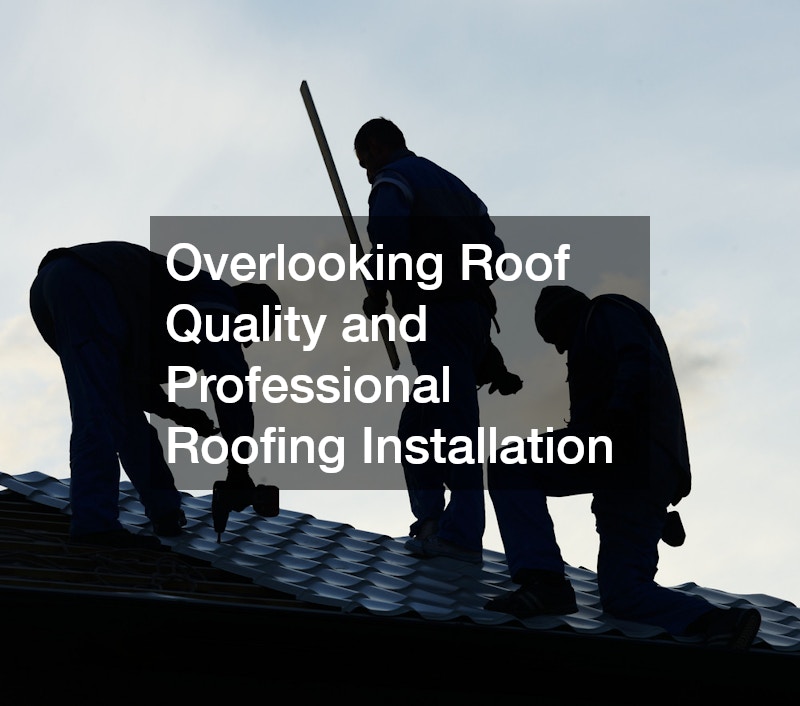
10. Overlooking Roof Quality and Professional Roofing Installation
The roof protects your entire investment, yet some homeowners prioritize cost over quality. Partnering with a professional roofing service guarantees proper installation and durable materials that withstand local weather conditions. Discuss ventilation, insulation, and drainage during the planning phase to prevent leaks, ice dams, or premature wear. A well-installed roof enhances energy efficiency and safeguards the home’s structural integrity.
Additionally, professional roofers can help you select the best materials for your budget and climate, whether asphalt shingles, metal, or tile. Proper installation techniques, including flashing, underlayment, and sealing, are critical to preventing water intrusion and damage. Investing in high-quality roofing upfront reduces maintenance costs and protects your home for decades. By prioritizing professional roofing, you secure one of the most critical elements of your custom home and avoid costly repairs in the future.
Building a custom home is a major investment that requires careful planning, research, and attention to detail. By avoiding these ten common mistakes—from selecting the right builder to prioritizing roofing and HVAC—you can save time, reduce stress, and ensure your home matches your vision. Thoughtful preparation, early planning, and partnering with skilled professionals make all the difference in creating a durable, comfortable, and beautiful home you’ll enjoy for decades.