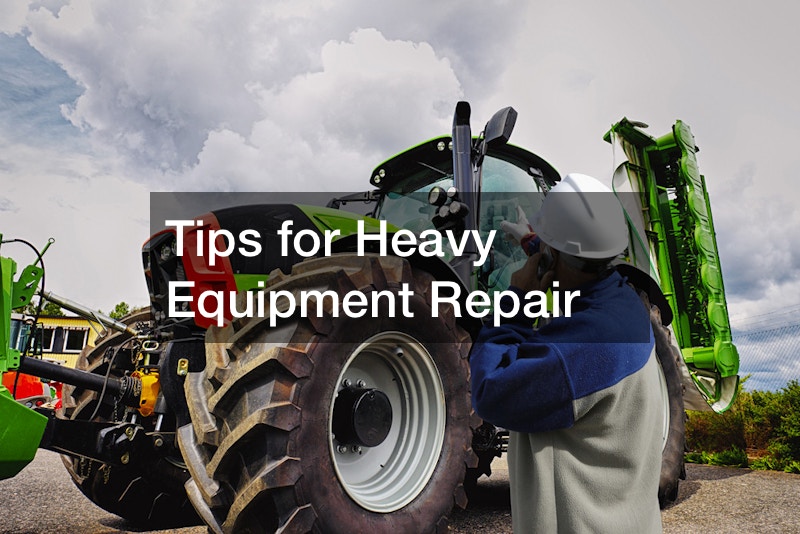
Tips for Heavy Equipment Repair

When working on a new home or a business project, some do-it-yourselfers like to learn how to operate heavy equipment themselves so they don’t have to hire professionals. It can be satisfying to learn a new skill and save money doing it. If you own and operate a piece of heavy equipment, it’s important to know some basics about heavy equipment repair.
A common failure point for heavy equipment is the final drive. This is the final gearing used to transmit power from the engine to the wheels of the machinery.
This failure is often due to water and mud getting past the seal to the final drive.
Remember to be thorough and alert when you open your heavy equipment for repair. When you’re performing repairs on a specific part of your equipment, keep an eye out for other problems around the area of interest. Some problems do not exist in isolation and can be caused by or be a cause of more problems in your equipment.
Just like more common machines like cars and trucks, the key to preventing repair in the first place is good maintenance. Be sure to give your heavy equipment visual inspections often and replace oil when needed so machinery stays lubricated. A lack of servicing can be a cause of problems you wouldn’t encounter otherwise and will have you spending time repairing your equipment instead of using it for work.
.